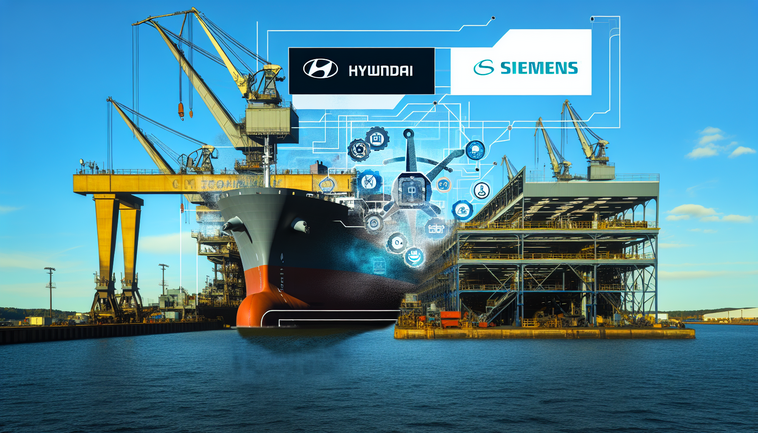
In an industry long dominated by heavy machinery and human craftsmanship, a new chapter is opening for American shipyards. The partnership between HD Hyundai and Siemens is redefining what it means to build vessels, marrying digital innovation with traditional shipbuilding know-how. This collaboration signals a bold move toward smarter operations, leaner processes, and a workforce equipped for the technology-driven future of maritime construction.
At the heart of this transformation lies the integration of digital twins, advanced automation, and real-time data analytics. By creating virtual replicas of shipyard facilities and equipment, engineers can simulate complex workflows, predict maintenance issues before they arise, and optimize resource allocation down to the smallest detail. The result is a dramatic reduction in unplanned downtime, material waste, and production bottlenecks—a leap forward in efficiency that traditional assembly lines simply cannot match.
Equally critical to this modernization push is the emphasis on hands-on training and specialized technical programs. Recognizing that cutting-edge tools are only as effective as the experts who wield them, HD Hyundai and Siemens are investing heavily in talent development. From apprenticeships in robotics maintenance to advanced coursework in data science for marine systems, these initiatives are closing the skills gap and cultivating a new generation of shipbuilders fluent in both steel plates and software code.
Beyond the confines of individual shipyards, digital connectivity is poised to reshape the entire maritime supply chain. Real-time tracking of components, automated quality inspections, and cloud-based collaboration platforms deliver transparency from the steel mill to the launch dock. This level of coordination not only accelerates delivery timelines but also strengthens domestic manufacturing, creating hundreds of high-skilled jobs in communities that rely on shipbuilding for economic vitality.
The alliance between a giant industrial conglomerate and a leading IT powerhouse underscores a broader trend: the necessity of cross-sector partnerships to drive meaningful innovation. By pooling expertise in heavy engineering and software development, HD Hyundai and Siemens are crafting a blueprint for other industries—whether aerospace, rail, or automotive—to follow. Their joint efforts demonstrate how digital ecosystems can unlock new service models, such as predictive maintenance subscriptions and remote performance monitoring.
Of course, this journey is not without obstacles. Integrating modern systems into legacy facilities presents technical hurdles, and the sensitive nature of operational data demands rigorous cybersecurity measures. Moreover, cultural resistance to change can slow adoption, making transparent communication and phased rollouts essential. Addressing these challenges head-on will require a coordinated approach to governance, training, and risk management.
As we look to the horizon, the HD Hyundai-Siemens collaboration offers more than a glimpse of smarter shipyards—it represents a turning point for U.S. industrial competitiveness. By coupling advanced technologies with robust workforce development, this partnership charts a course toward sustainable growth, stronger supply chains, and a future-ready maritime industry. In embracing both innovation and human potential, American shipbuilding stands poised to set sail into a new era of productivity and prosperity.