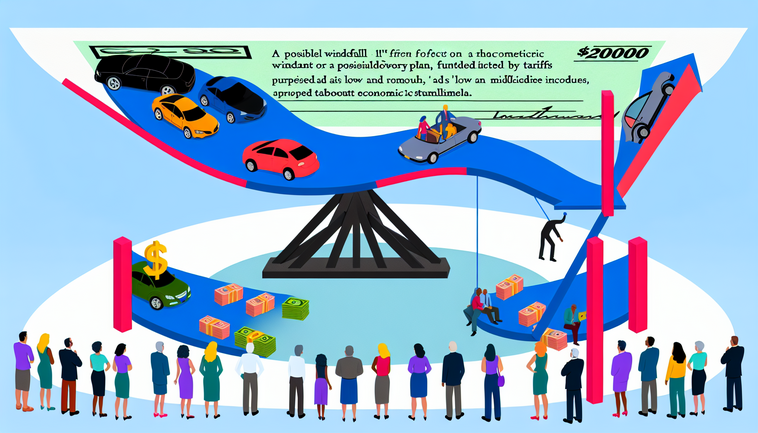
President Trump’s proposal to send a one-time $2,000 check to low and middle income Americans funded by tariffs has stirred fresh debate over how best to stimulate the economy. With the automotive sector undergoing rapid shifts in 2025—from new electric vehicle plants to supply chain realignments—this idea promises immediate relief but raises questions about long-term trade strategy and industry health.
On the surface, handing out $2,000 installments feels like a direct way to help families grappling with rising prices at the pump and the grocery store. Many households would welcome the extra cash to cover essentials or jumpstart holiday spending, and political support might swell as voters see an instant benefit in their bank accounts.
Yet the proposal carries tricky side effects. Tariffs that generate this revenue can drive up costs for manufacturers and consumers alike, potentially funneling more money into the stimulus fund while also lifting the sticker price on everyday goods. In the auto industry, where profit margins are razor-thin, higher input costs could chill new investments or even push some companies to pause expansion plans.
Indeed, carmakers have already been recalibrating their 2025 strategies, chasing battery suppliers and considering factory relocations in response to policy unpredictability. If tariffs spike unexpectedly, companies might defer commitments to new plants or workforce training initiatives, fearing that their cost forecasts no longer align with reality.
From my perspective, the core challenge lies in balancing swift relief with sustainable growth. A cash infusion can ease short-term pain, but it doesn’t address structural concerns like outdated infrastructure or skill gaps in the workforce. Relying on tariffs as a revenue source risks perpetuating volatility in global markets, which could ultimately hurt the very families the checks aim to support.
Rather than a blanket tariff-backed payout, policymakers might explore targeted tax credits for low earners combined with incentives for domestic manufacturing upgrades. Investing in vocational training programs and modernizing ports and roads could deliver more reliable economic gains, encouraging automakers to plant their flags at home without the threat of sudden cost hikes.
In conclusion, while a $2,000 tariff stimulus check offers an appealing quick fix, the hidden drawbacks underscore the need for a more balanced strategy. True economic resilience will likely come from a mix of direct relief for struggling households, thoughtful support for industry innovation, and a steady, predictable trade environment—ensuring that both citizens and corporations can plan confidently for the years ahead.