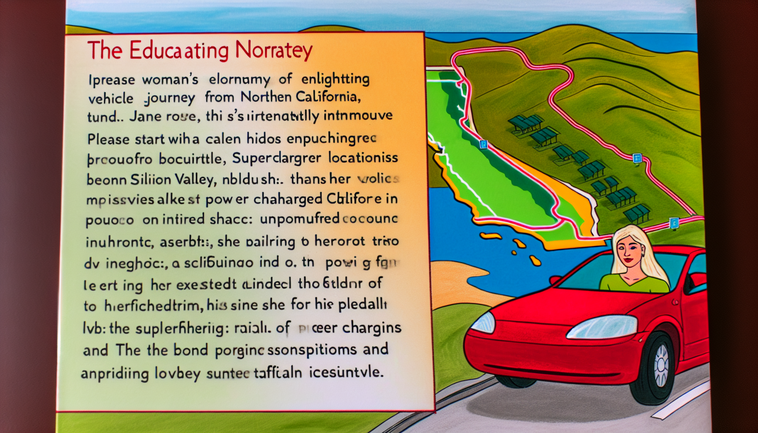
Jane set out on a sun-soaked morning from Silicon Valley toward Orange County, confident that her electric vehicle journey would cost next to nothing. Armed with an app full of Supercharger locations and a full battery, she imagined a smooth 485-mile glide through California’s scenic backbone, never guessing how many hidden charges awaited her.
In theory, driving electric means sidestepping the roller-coaster of gas prices—and Jane was counting on it. She had calculated her energy draw based on home rates and a few public chargers, mentally penciling in savings compared to her old sedan. Optimism ran high as she left the Bay Area, humming the tune of zero-emission freedom.
Reality hit at her first public charging station, where rates shifted mid-session and an unexpected idle fee kicked in when another driver blocked her spot. Further south, some fast chargers levied location premiums—more dollars per kilowatt for coastal convenience. A misaligned connector even stalled her for precious minutes, leaving her to juggle phone calls and recalibrate her expectations.
By the end of her trek, Jane’s charging bill encompassed more than just energy consumption. Session initiation fees, surcharges tied to downtown venues, and small—but persistent—parking premiums all coated the final tally. What started as a carefree road trip had morphed into a lesson in electric rate structures and the fine print lurking in charging apps.
Interestingly, when she stacked her total energy expense against a midrange gasoline car’s fuel cost, the difference wasn’t as dramatic as she’d hoped. While EV maintenance and emissions remain clear wins, raw electricity rates can spike at peak hours or urban hotspots—fluctuations she hadn’t fully anticipated.
This experience underlines a crucial insight for every EV driver: detailed trip planning goes beyond plotting chargers on a map. Understanding off-peak windows, membership discounts, and local utility rates can shave dollars off each charge. A little research up front can spare you a few surprises down the road.
In conclusion, Jane’s “485 miles I didn’t drive” adventure became more than a personal anecdote—it’s a cautionary tale for the growing electric community. While California continues to pioneer charging infrastructure and price transparency, drivers must still navigate a patchwork of fees. Her journey reminds us that an electric road trip, though greener and cleaner, can carry its own set of unexpected costs unless we charge smart from the start.