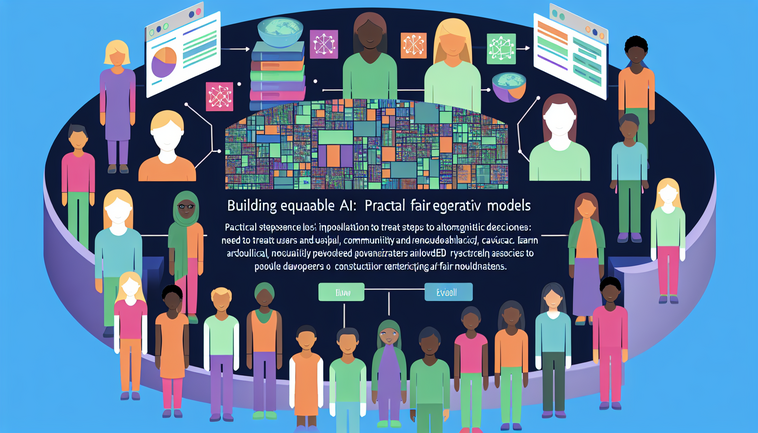
In a world increasingly shaped by algorithmic decisions, ensuring that generative AI systems treat all users and communities fairly has become a core responsibility for developers and organizations alike. Fairness in AI is not just about avoiding discrimination—it’s about actively promoting inclusion and respect for diverse perspectives in every stage of the model lifecycle.
One of the biggest sources of unintended bias lies in the data used to train generative models. When training sets overrepresent certain languages, cultures or viewpoints, the resulting system can reinforce existing imbalances. Acknowledging these blind spots is the first step toward creating more equitable AI outputs.
Proactive data curation involves both expanding the diversity of source material and critically examining the ways in which that data was collected. Teams should seek out underrepresented voices, collaborate with domain experts, and implement rigorous metadata standards to track provenance and context. This intentional approach reduces the risk of perpetuating harmful stereotypes.
Beyond data, the inner mechanics of a model must be subject to transparent evaluation. Regular algorithmic audits—supported by clear metrics for fairness, accuracy and inclusivity—can surface unwanted patterns. Publishing audit results and remediation plans helps create a feedback loop in which stakeholders can verify progress and hold developers accountable.
Inclusive design practices also play a crucial role. Inviting community members, ethicists and representatives from marginalized groups into the development process ensures that product decisions reflect a broader range of lived experiences. This collaborative mindset transforms fairness from a checkbox exercise into a shared mission.
Once deployed, generative AI systems must be continuously monitored. User feedback channels, anomaly detection and post-deployment bias testing allow teams to spot emerging issues quickly. When problems arise, transparent governance structures and clear escalation paths help ensure responsible fixes rather than knee-jerk rollbacks.
Ultimately, fair generative AI requires commitment at every level—from data engineers and ethicists to executive leadership. By combining thorough data stewardship, rigorous auditing, inclusive design and ongoing oversight, we can move toward AI solutions that serve all communities with respect and integrity. Only through concerted effort can we transform fairness from an aspiration into a reality.