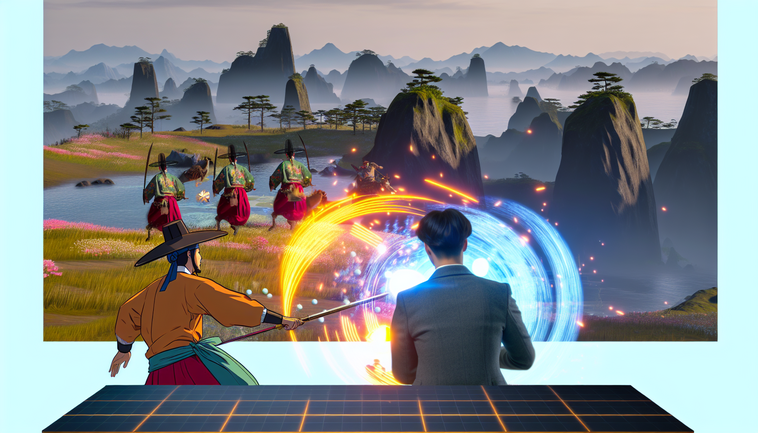
A fresh wave of excitement is rippling through the gaming community as Nexon and its studio LoreVault unveil Woochi the Wayfarer, a single-player action-adventure exclusive for the PlayStation 5. This new title promises to merge high-octane combat with a rich narrative drawn from a beloved Korean folktale. Fans of both modern console spectacles and classic storytelling are bound to pay attention.
The game takes its inspiration from a centuries-old novel that follows a mischievous exorcist named Woochi, equipped with magical talismans and unyielding wit. Over time, his antics have become part of Korean cultural lore, celebrated in literature and adaptations alike. Bringing this character to life on a next-generation console speaks volumes about the evolving appetite for diverse mythologies in gaming.
Early descriptions paint Woochi the Wayfarer as a fantasy action-adventure in the vein of sprawling titles like God of War or Horizon, but with its own distinct flavor. Players can expect dynamic melee encounters, fluid magic systems, and puzzles inspired by traditional iconography. The promise of lush environments—ranging from misty mountains to enchanted villages—hints at a visually arresting world.
Nexon’s decision to entrust development to LoreVault demonstrates confidence in the studio’s creative vision and technical prowess. LoreVault has made waves with narrative-driven experiences, and this collaboration could mark one of the most culturally resonant outings in recent memory. Their familiarity with weaving folklore into interactive design may set a new bar for adaptations.
From a broader perspective, Woochi the Wayfarer signals a growing trend: the reclamation of regional legends for global audiences. As Western mythologies have long dominated big-budget games, seeing a classic Korean tale take center stage feels both refreshing and overdue. This approach deepens the medium’s narrative potential and fosters cultural exchange.
Personally, I’m eager to see how LoreVault will balance authenticity with accessibility—preserving the spirit of the original text while crafting an engaging gameplay loop. Will traditional motifs seamlessly integrate into boss battles? Might players learn about Korean customs along the way? These questions fuel my anticipation for hands-on previews.
In the end, Woochi the Wayfarer could represent more than just another PS5 exclusive; it might pave the way for a renaissance of Asian folklore in mainstream gaming. As we await release dates and trailers, this title invites us to reflect on the power of storytelling across time and technology. It’s a reminder that legends never truly fade—they simply find new stages on which to shine.