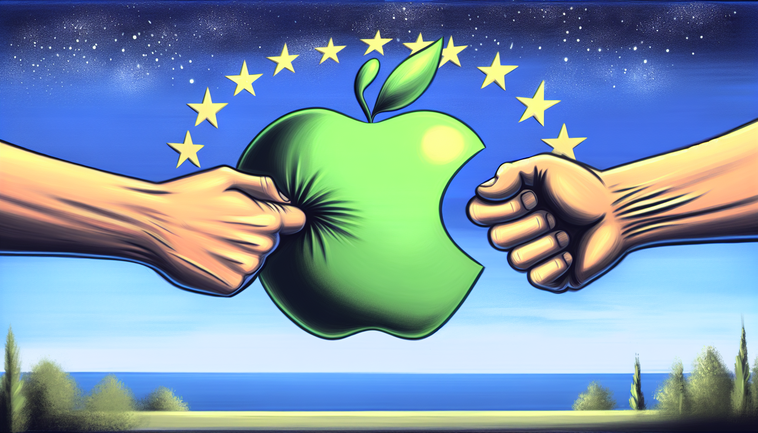
For years, Apple’s tight control over its App Store has been the flashpoint for antitrust scrutiny in Europe, with regulators demanding greater flexibility and fairer fees. This dispute has shaped the narrative around digital marketplaces, pitting a tech giant’s vision of security against the EU’s commitment to competition and consumer choice.
Back in the early days, Apple argued its walled garden approach ensured a safe and seamless experience for users on iPhones and iPads. The European Commission, however, felt that this model stifled innovation and imposed excessive costs on developers who wanted to reach Apple’s lucrative user base.
Recent reports indicate that after protracted negotiations, both sides are inching toward a resolution. Apple is rumored to be willing to open the App Store to alternative payment systems and potentially even third-party storefronts, while still preserving its core standards for privacy and security.
From the developer’s perspective, these concessions could mean a dramatic shift in margins. Smaller studios and indie creators may finally enjoy a more level playing field, paying lower fees or having the freedom to process transactions outside Apple’s 15-30% commission structure.
Consumers could also see benefits, such as access to a wider range of apps and payment choices, though there’s a risk that relaxing gatekeeper rules might introduce new security challenges. Apple will have to demonstrate that it can maintain user safety without its current strict vetting processes.
On a broader scale, this potential settlement signals Europe’s growing influence in shaping the rules of the global digital economy. Other regions watching the EU’s moves—from the U.S. to Asia—may adopt similar strategies to rein in Big Tech, creating a patchwork of regulations that companies will have to navigate carefully.
As we look ahead, this moment could mark a turning point in how tech giants and regulators coexist. If both parties can reach an agreement that balances innovation, competition, and security, it might set a constructive precedent. The ultimate question is whether this détente will foster a more open ecosystem or simply redistribute power among established players in a new guise—and that outcome will define the next era of digital commerce.